
The Untapped Structural Impact of Climate-Induced Delta Migration on Global Mobility and Governance
Climate change-driven displacement in populous Asian and African deltas represents a weak signal with significant long-term implications for migration flows, capital deployment, and regulatory frameworks. This emerging development goes beyond conventional refugee or economic migration discourse, revealing a nascent inflection point in how migration is spatially and politically managed. Understanding this subtle yet powerful force is critical for senior decision-makers who shape economic strategies, urban planning, and humanitarian intervention over the next two decades.
Migration and mobility shifts are often framed around conflict-driven refugees or changes in legal migration policy. However, a lesser-noticed but potentially transformative signal is the intersection of climate vulnerability in densely populated delta regions and the resulting constrained migration options, particularly to smaller island or coastal states. This spatial and socio-political bottleneck challenges existing migration paradigms, could recalibrate regional capital allocations, and provoke novel regulatory and governance responses with wide-reaching consequences.
Signal Identification
This development qualifies as a weak signal emerging from the intersection of climate vulnerability and migration dynamics, currently under-recognized within strategic foresight and policy circles. While environmental displacement is broadly discussed, the strategic implications of large populations trapped in highly vulnerable delta geographies with limited safe migration corridors are seldom framed as a distinct migration system inflection. The estimated time horizon for these disruptive effects is medium to longer term (10–20 years), with a high plausibility band given existing demographic trends and climate models. Key sectors exposed include infrastructure, urban development, international humanitarian aid, migration governance, and capital markets focused on real estate and human capital.
What Is Changing
Populous deltas in Asia and Africa, home to hundreds of millions, are recognized in the literature as facing severe climate-related risks such as flooding, saline intrusion, and extreme weather events (PMC National Center for Biotechnology Information 28/09/2013). These zones are also areas with limited internal resettlement options due to geography and socio-economic fragility. Unlike traditional refugee situations involving conflict zones or centralized camps—as illustrated in Myanmar’s escalating maritime refugee crisis (The Guardian 16/07/2026)—this is a dispersed, environmental displacement pattern that intersects with economic migration flows, urbanization pressures, and legal migration policy.
Simultaneously, host nations’ migration policies are evolving differential approaches distinguishing economic legal migration from stringent controls on unauthorized entry (The HR Director 01/07/2026). However, these policies inadequately factor in climate-forced migration from vulnerable deltas, especially where safe migration options are limited. This creates a growing demographic pressure cooker with no established international legal or humanitarian framework to manage them.
Moreover, smaller island states and coastal regions, also vulnerable to climate shocks, face compounded risks due to their limited capacity to absorb displaced populations and limited access to international migration routes (PMC National Center for Biotechnology Information 28/09/2013). This spatial overlap between source and vulnerable destination zones underscores a systemic weakness in current migration governance.
In high-immigration economies such as Australia, where net overseas migration is projected to sustain housing demand and economic growth (AIA Investment Group 01/07/2026), the intricacies of environmental displacement from delta regions are starting to ripple into long-term structural support issues for housing and urban infrastructure, blending climate, migration, and capital markets in new configurations.
Disruption Pathway
The constrained mobility of populations in climate-affected deltas could amplify migration pressures as environmental degradation intensifies, especially over the 10–20 year period. This may accelerate due to faster-than-expected sea-level rise, recurrent flooding, or abrupt weather shocks undermining local livelihoods.
With traditional internal relocation options limited by land availability and political sensitivities, more individuals may attempt perilous international migration routes, especially maritime journeys towards relatively safer coastal or island destinations. However, these destinations are themselves vulnerable or politically reluctant to absorb large inflows, stirring humanitarian crises and diplomatic tensions (The Guardian 16/07/2026).
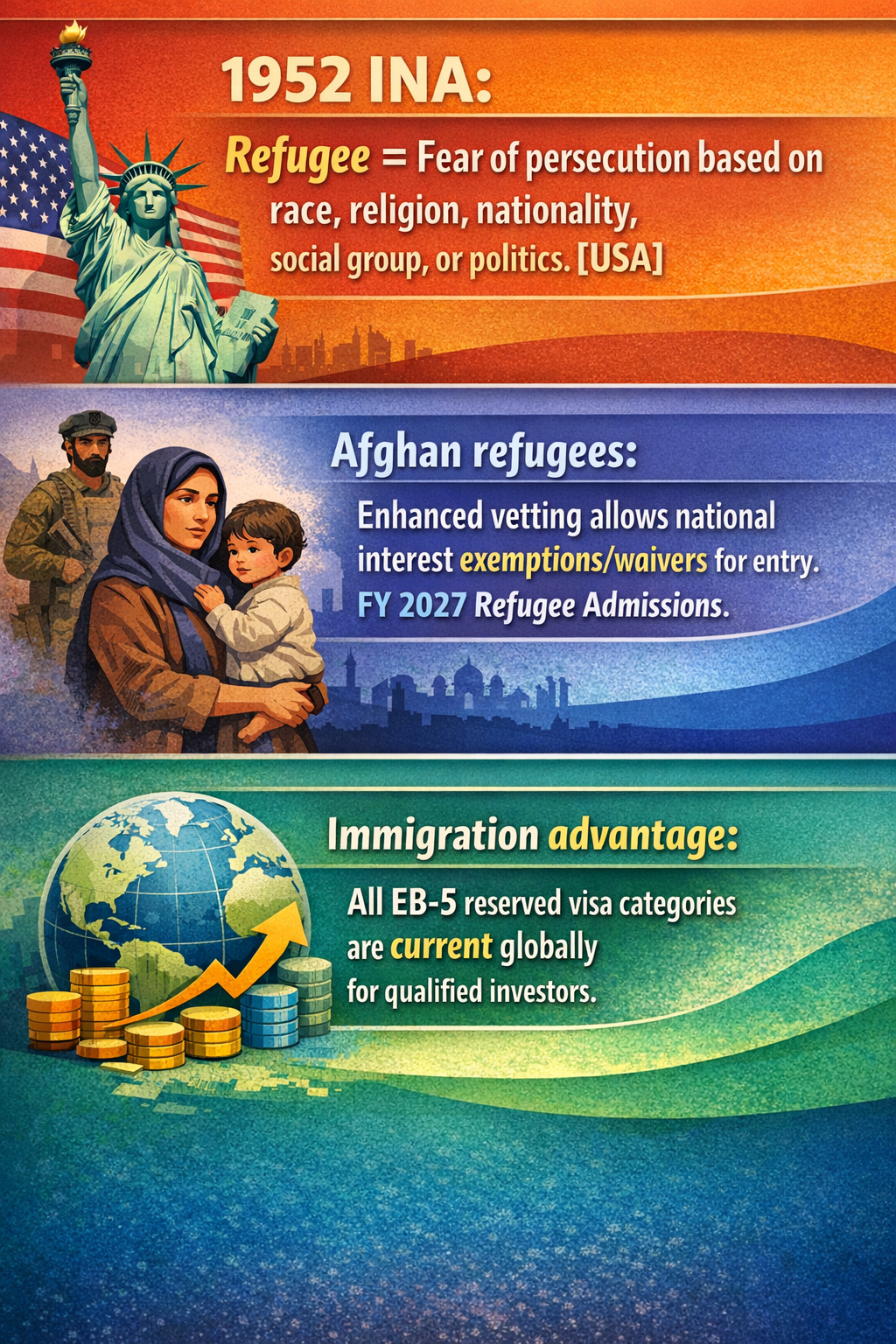
This creates pressures to evolve migration governance frameworks from narrow conflict and economic lenses to integrated climate-driven displacement regimes, potentially requiring new international legal instruments or regional cooperation mechanisms. The current patchwork of refugee law, such as the US Immigration and Nationality Act’s definition of refugees (The Guardian 10/06/2026), excludes climate change specifically, exposing a regulatory gap.
Capital markets and urban infrastructure sectors may adapt by shifting investment toward resilient, climate-adaptive housing and migration-support infrastructure in receiving regions that can effectively host displaced populations (AIA Investment Group 01/07/2026). This could spur new public-private partnerships, insurance products, and sovereign risk assessments sensitive to climate migration risks.
The feedback loop may involve escalating migrant controls in some regions, provoking irregular migration and geopolitical frictions, while simultaneously driving innovative ‘managed retreat’ and legal migration pathways shaped specifically for climate-displaced delta populations. Industry dominance may shift from ad hoc humanitarian aid models toward structured migration infrastructure financing, multidisciplinary policy frameworks, and governance innovations blending environmental, demographic, and economic inputs.
Why This Matters
For capital allocators, delayed recognition of this weak signal risks under-investment in adaptive urban infrastructure and resilient housing markets in receiving geographies, missing an emerging market poised for structural growth.
Regulatory authorities face the imperative to recast migration and asylum policy frameworks to cope with a hybrid class of climate-economically displaced migrants, avoiding legacy legal interpretations that inadequately protect vulnerable populations yet restrict legal migration options.
Competitively, firms operating in construction, financial services (especially investment and insurance), and migration services may reposition to capture new demand from emergent climate displacement-driven growth corridors, particularly in Asia-Pacific and Africa.
Governance implications include the need for multi-level coordination—from local urban planners in delta regions to international humanitarian and migration policy bodies—to anticipate and manage displacement through anticipatory adaptation, rather than reactive crisis management.
Implications
This signal may catalyze a structural migration paradigm shift that incorporates environmental displacement as a core driver, rather than a marginal or ad hoc factor. Capital markets could markedly reorient towards climate-driven migration impacts, prioritizing resilient infrastructure and migration management innovations.
Regulatory frameworks might evolve, embedding climate displacement within legal migration and refugee definitions or creating new instruments tailored for delta-region populations, possibly through regional treaties or modifications to existing international law.
This development should not be conflated with short-term asylum crises linked purely to conflict or economic migration, which remain distinct—though interactions exist. Nor is it a far-future hypothetical; the ongoing demographic and climate trajectories provide a solid plausibility basis.
Competing interpretations might posit enhanced adaptation within delta regions could reduce migration pressures, but the limited geographical and economic capacities argue for a complementary migration adjustment pressure operating regardless of mitigation efforts.
Early Indicators to Monitor
- Official demographic and migration statistics showing rising outbound movements from delta populations coupled with declining internal resettlement options.
- Regulatory proposals or amendments expanding refugee or migration categories inclusive of climate displacement conditions.
- Capital flows and venture funding targeting climate-resilient urban infrastructure in delta-adjacent regions and receiving coastal/island states.
- Humanitarian agencies’ strategic emphasis and budget shifts towards climate displacement interventions in delta geographies.
- Geopolitical or diplomatic initiatives addressing transboundary migration linked to climate impacts in Asia-Pacific and African coastal zones.
Disconfirming Signals
- Breakthrough global or regional agreements effectively containing climate risk within delta zones, reducing forced displacement via large-scale adaptation or engineering solutions.
- Massive investment diversion from climate migration infrastructure or regulatory reforms that ignore environmental displacement for extended periods.
- Declining population growth or internal migration from delta regions due to alternative socio-economic dynamics unrelated to climate, such as urban absorption or economic diversification.
- International consensus maintaining narrow legal migration and refugee definitions without climate displacement inclusivity.
Strategic Questions
- How should capital be reallocated to anticipate sustained demand for climate-resilient migration and housing infrastructure in delta-adjacent receiving areas?
- What regulatory reforms are necessary to develop inclusive legal frameworks that address the unique vulnerabilities of climate-displaced delta populations without destabilizing existing migration regimes?
Keywords
Climate Displacement; Delta Region Migration; Migration Governance; Climate Adaptation Infrastructure; Legal Migration Policy
Bibliography
- The population at risk is largest in the populous deltas in Asia and Africa, and that low, small islands, where places for safe migration are very much limited, are especially vulnerable as well. PMC National Center for Biotechnology Information. Published 28/09/2013.
- Escalating conflict and a worsening humanitarian situation in Myanmar, along with limited assistance and opportunities in refugee camps in Bangladesh, contribute to increasing numbers of people attempting perilous sea journeys in search of safety and protection, they pointed out. The Guardian. Published 16/07/2026.
- Employers should expect a distinction between legal migration that supports economic growth and tougher measures aimed at illegal immigration, rather than a wholesale tightening of routes for overseas workers already living and working legally in Britain. The HR Director. Published 01/07/2026.
- Australia's migrant population continues growing - net overseas migration is projected to remain above 260,000 in FY2025 - 26, providing long-term structural support for housing demand. AIA Investment Group. Published 01/07/2026.
- The 1952 Immigration and Nationality Act (INA) defines a refugee as anyone who is unable to return to their home nation due to a well-founded fear of persecution based on race, religion, nationality, membership in a particular social group or political viewpoint. USA The Guardian. Published 10/06/2026.