Our Scans
·
Biodiversity
·
Intelligence Briefing
Intelligence Briefing about Biodiversity
Emerging Trends
- Innovative sustainable food solutions, such as protein-rich products made from plastic and agricultural waste, are gaining traction as tools to address environmental and resource challenges (New Atlas).
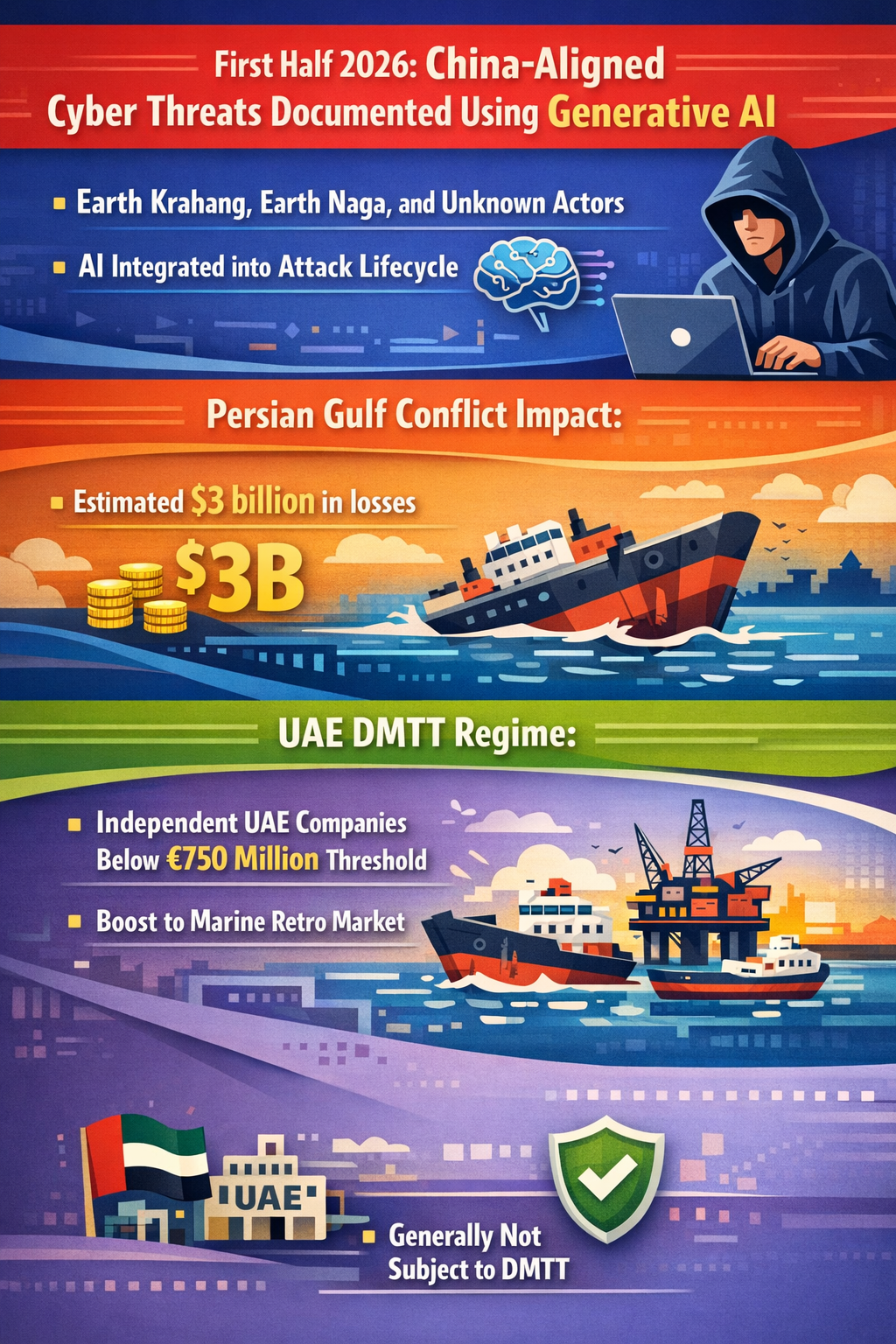
- Increasing integration of advanced AI technologies in diverse sectors, including potential security threats driven by generative AI capabilities aligned with geopolitical actors (TrendAI Security).
- Expansion of data-driven market mechanisms linked to environmental variables such as snowfall or temperature may open new opportunities for risk assessment and trade (Insurance Journal).
- Urbanization trends leading to service shortages in critical rural healthcare components suggest broader socioeconomic impacts from demographic shifts (PMC).
- Government and private investments, coupled with international partnerships, are reinforcing manufacturing ecosystems with potential implications for sustainable production technologies (MarkNtel Advisors).
Key Challenges, Opportunities, and Risks
- Challenges: Managing the environmental impact of expanding industrial activities while safeguarding biodiversity; countering emerging cyber threats that leverage AI; anticipating supply chain disruptions in healthcare and manufacturing.
- Opportunities: Leveraging sustainable technologies and innovative food sources to reduce environmental degradation; using big data and environmental analytics to enhance market products and risk management; strategic partnerships to build resilient manufacturing with ecological considerations.
- Risks: Accelerating ecological degradation if innovation and regulation lag; security vulnerabilities linked to AI-driven malicious actors impacting organizational stability; social inequities exacerbated by urban-rural service gaps impacting workforce and community wellbeing.
Scenario Development
- Best-case: Broad adoption of sustainable technologies and data-driven environmental markets combined with robust AI security frameworks leading to enhanced biodiversity protection and economic resilience.
- Moderate success: Incremental progress in sustainable innovations and manufacturing with partial mitigation of AI-driven risks, but persistent rural-urban disparities and environmental stress remain concerns.
- Challenging environment: Widespread cyber threats using generative AI and slow uptake of sustainable practices cause rising biodiversity loss and supply chain vulnerabilities, disrupting markets and social services.
- Worst-case: Failure to curb environmental degradation and manage AI-related risks leads to significant biodiversity collapse, market instability, and critical shortages in essential services, severely impacting Atradius's risk exposure and operational continuity.
Strategic Questions
- How can Atradius integrate emerging environmental data markets into its risk assessment and insurance products to better capture biodiversity-related exposures?
- What frameworks could be developed to anticipate and mitigate AI-enabled cyber threats disrupting biodiversity-focused operations and global supply chains?
- In what ways can Atradius foster partnerships that promote sustainable innovation while balancing economic growth and biodiversity preservation?
- How might shifts in demographic services, such as rural healthcare shortages, influence Atradius’s long-term risk profiles and investment decisions?
Potential Actionable Insights
- Atradius could explore embedding environmental and climate variables into underwriting models to refine biodiversity risk evaluations.
- The organization could invest in AI-driven threat intelligence and resilience measures to protect critical biodiversity-related assets and data.
- Engaging with technology and manufacturing partners focused on sustainability could unlock new business opportunities aligned with biodiversity goals.
- Monitoring demographic and infrastructure trends might help anticipate risk shifts linked to urbanization that affect biodiversity indirectly through social-economic pressures.
Briefing Created: 16/09/2026