
The Silent Risk of Chromatin Fatigue: A Weak Signal in Gene Editing’s Future
Gene editing technologies such as CRISPR (Clustered Regularly Interspaced Short Palindromic Repeats) are poised to transform medicine, agriculture, and biotechnology by 2026 and beyond. While mainstream discourse focuses on precision and efficacy breakthroughs, a quieter yet potentially disruptive development is emerging: chromatin fatigue—long-lasting disruptions to genome function beyond visible DNA repair. This weak signal challenges assumptions about gene editing safety and regulatory frameworks and may reshape industry practices, public trust, and innovation pathways.
What’s Changing?
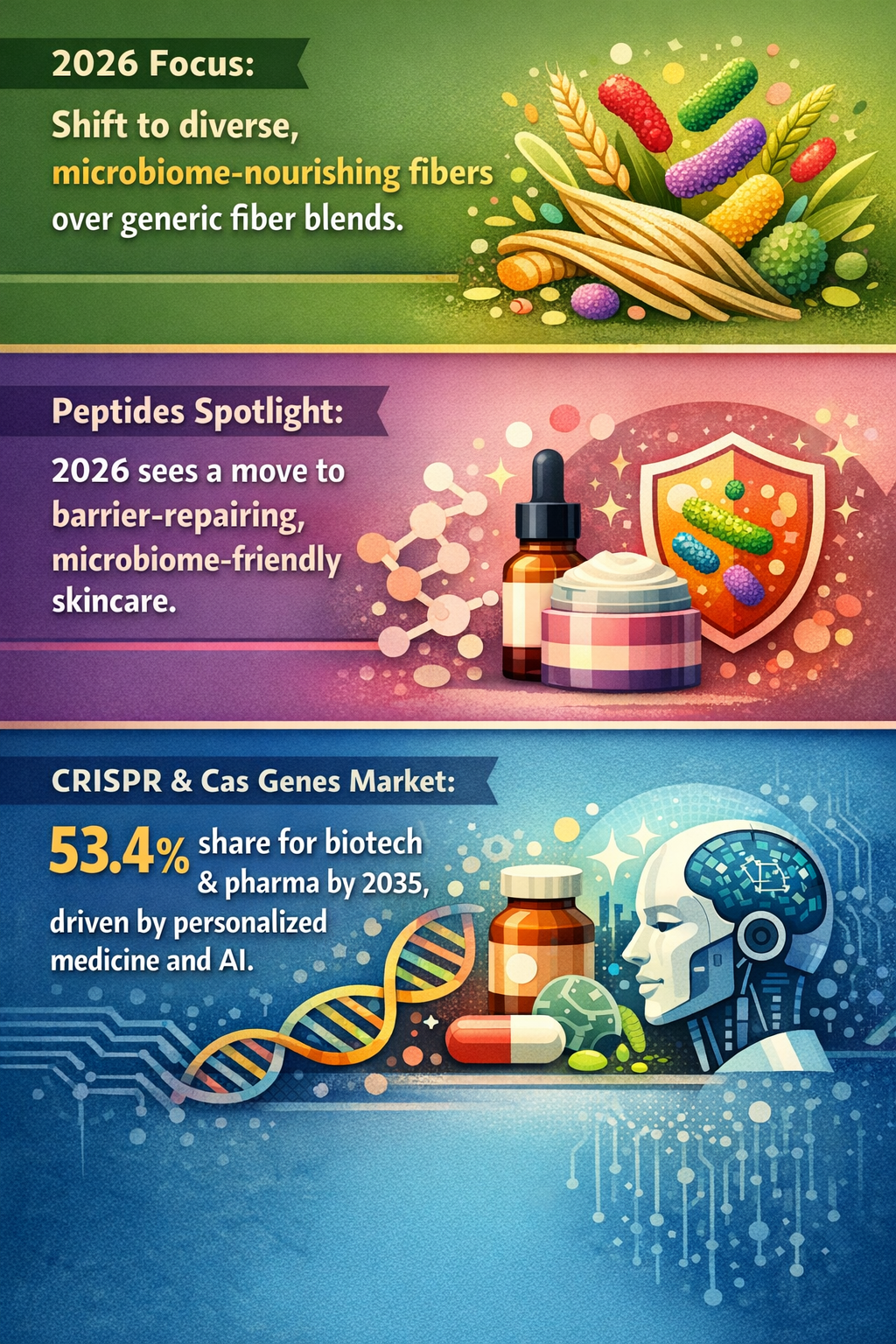
Gene editing has advanced rapidly in recent years, with CRISPR technologies expected to become more mainstream by 2026, particularly in rare genetic disease cures and agriculture enhancements (Tovima, 2026; Farmonaut, 2026). The industry size for CRISPR and related Cas gene technologies is forecast to reach approximately $5.85 billion USD in 2026 (Research Nester, 2026). These technologies have moved beyond experimental phases, with applications in gene therapy, biofortification, and sustainable microbial agriculture gaining traction worldwide.
Alongside these advances, research from UNSW Sydney introduced an improved CRISPR system that could potentially make gene therapy safer by providing better control over how genes are switched off (Science Daily, 2026). This indicates a growing sophistication in gene editing tools aimed at precision use and decreased off-target effects.
However, a lesser-known but critical discovery is surfacing around “chromatin fatigue,” reported in early 2026 (Beyond GM, 2026). Chromatin refers to the complex of DNA and proteins that form chromosomes within the nucleus of cells. Chromatin structure plays a vital role in regulating gene expression. Studies suggest that even when DNA sequences appear repaired post-editing, chromatin architecture may remain disrupted, causing long-term functional changes in the genome. This disruption could persist despite the absence of visible DNA damage, challenging the prevailing assumption that successful repair equals safety.
This emerging evidence raises concerns about the durability and safety of gene edits, especially in therapeutic contexts for human patients, where chromatin fatigue may trigger unintended genome regulatory issues, chronic inflammation, or cellular dysfunctions over time. It also questions the recent UK deregulation efforts which have assumed gene editing precision ensures safety without thorough consideration of chromatin-level consequences.
Why is this Important?
The implications of chromatin fatigue expand across multiple sectors:
- Medical Therapeutics: The prospect of unseen long-term genome disruption complicates risk assessments for gene therapies, especially treatments aimed at children with rare genetic diseases, an area projected to gain momentum in 2026 (Tovima, 2026).
- Regulation and Policy: Current regulatory frameworks on gene editing tend to rely on measures of immediate genetic precision and do not incorporate chromatin-level damage assessments. This gap might necessitate new regulatory paradigms, testing protocols, and long-term safety monitoring.
- Biotechnology Industry: Companies developing CRISPR-based products may face higher compliance costs and extended clinical trials. Investment strategies will need to factor in the potential complexities of unintended epigenetic effects.
- Agriculture and Environmental Applications: The increased use of gene editing in sustainable microbial solutions and biofortified crops (Farmonaut, 2026) might encounter unforeseen functional instability in edited organisms if chromatin fatigue occurs, impacting ecosystem balance and food security.
The novelty lies in understanding that gene editing impacts genome function beyond the DNA sequence level. Traditionally, gene editing safety evaluations focus on off-target mutations and DNA damage repair outcomes. Chromatin fatigue introduces a new layer of complexity by suggesting that cellular responses to editing extend into chromosome structure and gene regulation, potentially causing issues only detectable over longer timescales.
Implications
Strategic foresight into chromatin fatigue reveals several consequences that businesses, governments, and research institutions must consider:
- Extended Safety Testing: Developers and regulators may need to design long-term studies that assess chromatin integrity post-editing. This could delay product approval cycles but improve safety profiles.
- Innovations in Detection Technologies: New tools capable of detecting chromatin-level changes in living cells will be crucial. Such technology can offer deeper insight into genome stability following editing interventions.
- Revision of Regulatory Frameworks: Policymakers might rethink deregulation trends reflecting overconfidence in editing precision. Precautionary principles could gain renewed emphasis to address epigenome-level risks.
- Reevaluating Ethical Considerations: Risk/benefit analyses for hereditary or pediatric gene therapies will face heightened scrutiny, especially considering intergenerational genome function implications.
- Communication and Public Trust: Transparent communication about chromatin fatigue is essential to manage public expectations and build trust in gene editing technologies amid emerging uncertainties.
- Cross-sector Collaboration: Addressing chromatin fatigue requires integrated approaches combining molecular biology, epigenetics, clinical sciences, regulatory policy, and market economics.
This weak signal challenges the assumption that gene editing effects are confined to targeted DNA sequences and highlight the complexity of genome biology. Businesses might face unexpected liabilities or innovation hurdles if chromatin fatigue manifests in clinical or environmental settings. Governments may need to invest in surveillance and research to better understand latent effects and update laws accordingly. Research institutions could spearhead interdisciplinary efforts to unravel chromatin dynamics post-editing.
Questions
- How reliable and comprehensive are current gene editing safety evaluation protocols in detecting epigenetic and chromatin-level disruptions?
- What technological breakthroughs are needed to monitor chromatin fatigue in vivo and at scale?
- Could chromatin fatigue contribute to delayed adverse effects in gene therapy patients, and what long-term monitoring frameworks are required?
- How should regulatory agencies incorporate chromatin data into licensing and post-market surveillance of gene-edited products?
- What communication strategies can balance innovation benefits with emerging uncertainties in public discourse?
- How could industries adapt R&D investment to hedge against potential regulatory changes prompted by chromatin fatigue discoveries?
Keywords
chromatin fatigue; gene editing; CRISPR technology; epigenetics; genome regulation; gene therapy; biotechnology regulation; long-term safety testing
Bibliography
- Gene editing is expected to gain fresh momentum in 2026, particularly for children with rare genetic diseases. Tovima. https://www.tovima.com/science/science-in-2026-breakthroughs-set-to-shape-the-year-ahead/
- 2026 will mark the consolidation and mainstream adoption of breakthroughs such as CRISPR gene editing, biofortification techniques, and sustainable microbial solutions in global agriculture. Farmonaut. https://farmonaut.com/news/agricultural-biotech-news-today-2026-market-innovations
- In the year 2026, the industry size of CRISPR & cas genes is assessed at USD 5.85 billion. Research Nester. https://www.researchnester.com/reports/crispr-and-cas-gene-technology-market/3287
- Scientists at UNSW Sydney have developed a new form of CRISPR technology that could make gene therapy safer while also resolving a decades-long debate about how genes are switched off. Science Daily. https://www.sciencedaily.com/releases/2026/01/260104202813.htm
- Gene editing can cause lasting disruption to genome function through chromatin fatigue - even when DNA appears to have repaired itself - raising serious questions about UK deregulation that assumes precision equals safety. Beyond GM. https://beyond-gm.org/2026/01/